🦠 “The Covid-19 Cure That Wasn’t: The Media’s Role in Turning Hope Into Hype””
Summary
Axios (2020): “Pence announces U.S. trial of anti-malaria drug for coronavirus cases.” - The headline read like a medical victory lap before the race began.
The Guardian (2024): “Journal retracts study that promoted hydroxychloroquine as Covid treatment.” - The apology tour was quieter than the celebration.
The Guardian (2021): “Ivermectin frenzy: the advocates, anti-vaxxers and tele-health companies driving demand.” - Yesterday’s “game-changer” became today’s punchline.
Three stories, 2 different timelines, 1 sermon. The media went from promoting a miracle cure to mocking it; all the while never admitting both opinions had the same goal; timing over truth.
Bias Breakdown
Framing Bias
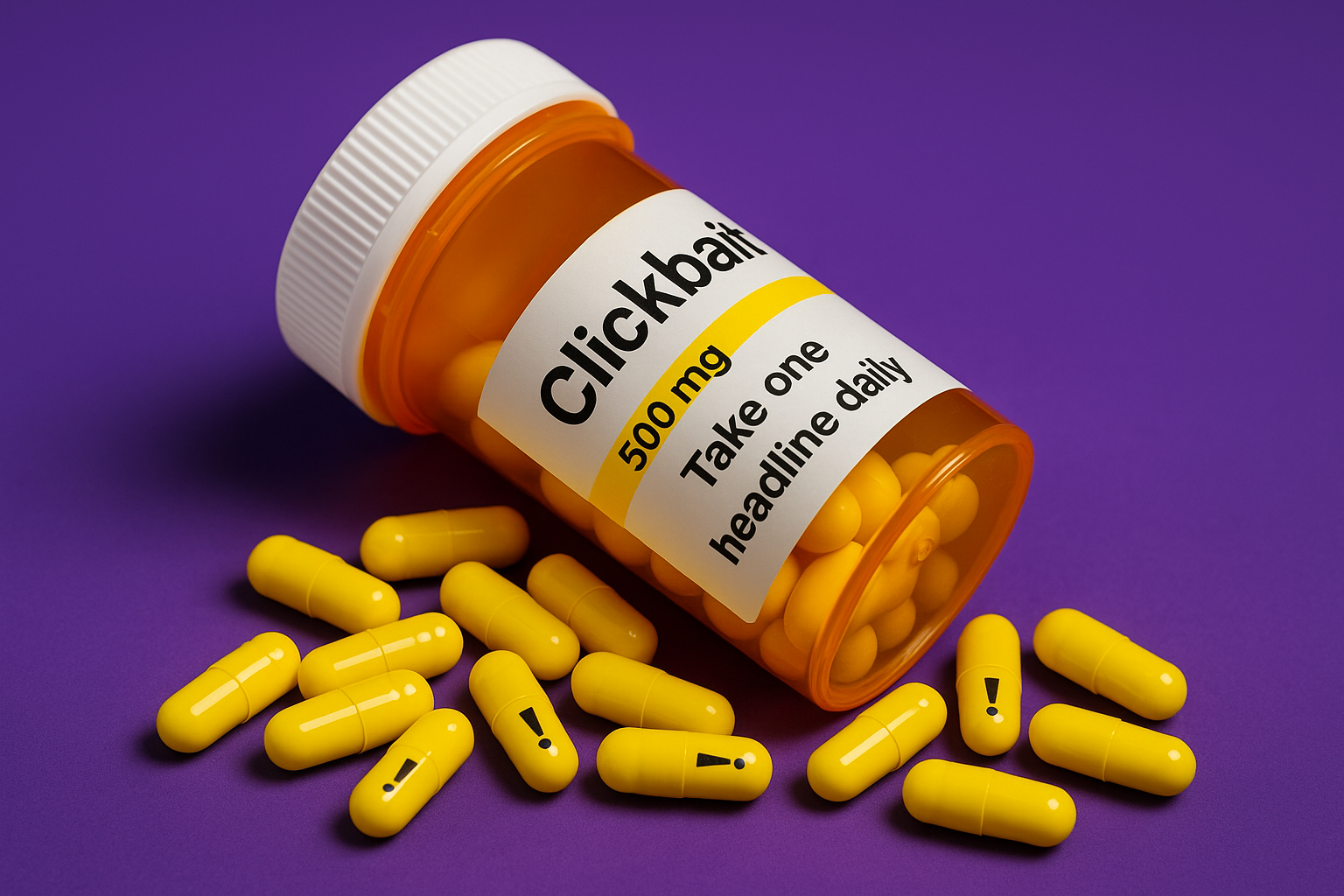
Every outlet misled the story by borrowing language of disguised speculation dosed as certainty. Axios led with “Trump touts anti-malaria drug as potential cure”. Despite very little clinical and scientific evidence, early stories relied heavily on political hope. When the scientific “side effects” came to light, outlets rebranded their drug with new villains: “anti-vaxxers”, “misinformation”, and “right-wing grifters”. Rebranding their media drug wasn’t about informing readers of the truth, it was about trying to keep readers addicted to a drug they could continue to sell; even when the science wasn’t buying it.
Emotional Bias
The pandemic chemically changed journalists into “pharmacists of emotion”. Hydroxychloroquine was an opiate to the panicked world; and opiates sell. However, when the “miracle” was realized as just magic, the same outlets replaced reassurance with ridicule – two sides of the same emotion driven clickbait coin.
Omission Bias
Like all drugs, nearly all articles conveniently left the fine print to a tiny, overwhelmingly worded paragraph at the bottom of the bottle. Despite inconsistent dosing and lack of peer reviews, CNN, Reuters, and FOX all promoted the drug(s) as “showing effectiveness”. The press skipped the data in 2 doses- the first one when it was weak, and the second one when it was inconvenient.
Agenda Bias
Coverage early in the pandemic diluted science into partisanship. Outlets that favored trump, promoted his words as sermon while those that distrusted him dismissed the drug as dangerous madness. in turn, journalism served its own selfish agenda - not inquiry.
Sensationalism Bias
Pandemic Headlines were prescribed like Netflix Trailers for a new dating reality TV show: shocking, emotional & rarely a representation of the truth. Every time a story used “could” or “may”, they created a hall pass for reader imagination. But when readers started feeling the true side effects, the same outlets didn’t admit wrongdoing – they said, “you were misled”. In one swallow with a cup of water, the media didn’t get better at telling the truth, they got better at shifting the blame.
The bAIsed Take
The hydroxychloroquine and ivermectin hype was real – a press experiment in mass clicks & dopamine economics. Covid-19 fear increased demand for certainty; and certainty dissolved into the story. When the truth came to light, the same journalists who sold hope, then sold anger. The tragic death here isn’t that people believed hyped medical cures; it’s that the media proved again and again that they would rather be first, than accurate – that is, until the public finally tuned out. Then no one was taking the drug.
hope was the name of the drug, facts were the fine print
all media is biased. we show you how.